
start here · 05
Real-time or fifteen minutes old? Reading the (D) badge before it costs you
Two numbers can sit in the same table, in the same font, in the same column — and one of them is live to the second while the other is fifteen minutes old. Every market-data product has this problem. What sold me on the terminal's handling of it is that it refuses to let the two impersonate each other: stale data wears a badge.
The badge is (D), for delayed, and once you know to look for it you'll see it everywhere it matters. On our seat, US listings stream real-time on the Nasdaq feed — the flashing you see in a watchlist is individual trades printing. International listings run roughly fifteen minutes behind by design, and every one of them carries the (D) next to its price. Pull up a palette listing for any foreign stock and it's right there in the row, before you've even opened a window.
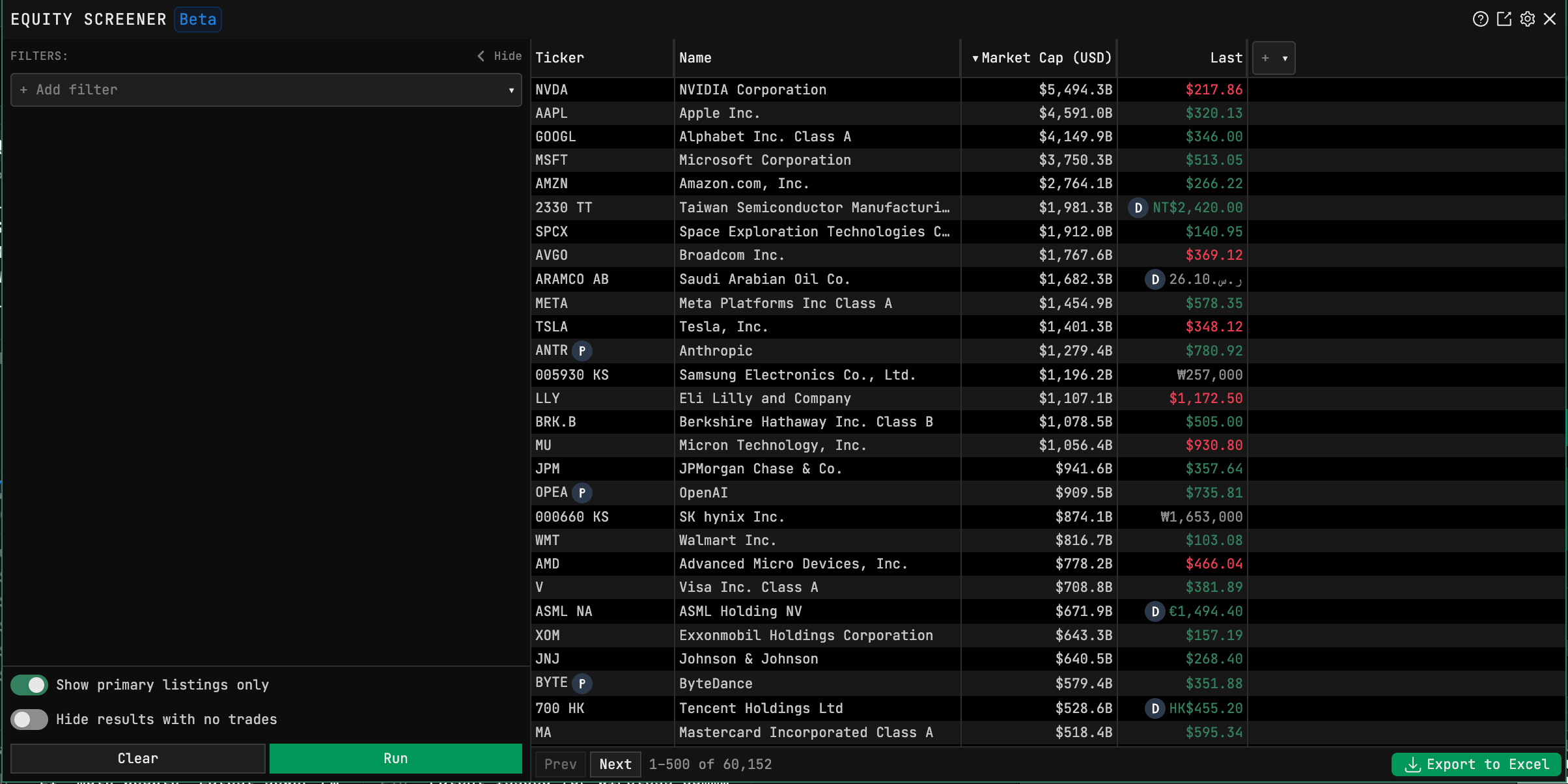
Why fifteen minutes is a real difference
For long-term reading — is this company's margin improving, who owned it last quarter — the delay is irrelevant. Filings don't move in fifteen minutes. Where it bites is anything reactive: a name gapping on news, a fast market, or any moment you're comparing a US quote against an international one and treating them as the same instant. They aren't. A delayed print during a fast move can be several percent from the live market, which is why the rule on this site is blunt: never read a (D) price during a breaking move as the price.
Making freshness visible on your own screen
Quote Monitor has two columns for exactly this, and the watchlist guide has you add them early: Latency, which shows the age of each quote, and Delay, which makes the badge a column of its own. My core lists keep internationals on a separate tab so a live number and a delayed one never sit in the same column looking equally fresh — a habit I'd recommend before you need it rather than after.
The DES page teaches the other half of the habit: the price block shows the timestamp of the last trade, and checking it takes half a second. On a US name during market hours it should be seconds old. If it isn't — wrong listing, thin venue, or the (D) you didn't notice.
The one-sentence version
Live: US listings, streaming, no badge. Delayed: international listings, about fifteen minutes, always badged. The terminal will never lie to you about which is which, but it won't stop you from ignoring the badge either.
Next: free vs paid, because the other data question everyone asks is what the $118 buys.
Tickers on this page are teaching examples, not recommendations. TickerFluent publishes education, not investment advice.